

Mission

To increase the value of waste ethically; by using
technology to convert it into high-quality, scalable and
planet-positive resources, while deeply empowering and
formalising the informal economy that drives the industry,
especially waste-pickers.

Vision

A thriving world in which poverty doesn’t exist; where every
human has access to education, healthcare, decent living
standards, equal opportunity and most importantly, dignity while
positively contributing to the well-being of our planet.
We are at the confluence of

deep impact + deep technology

DEEP IMPACT

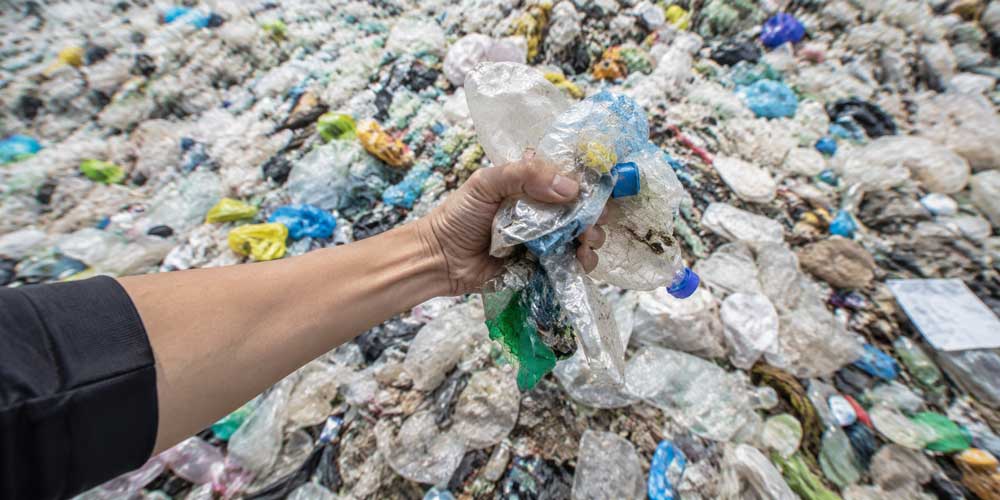
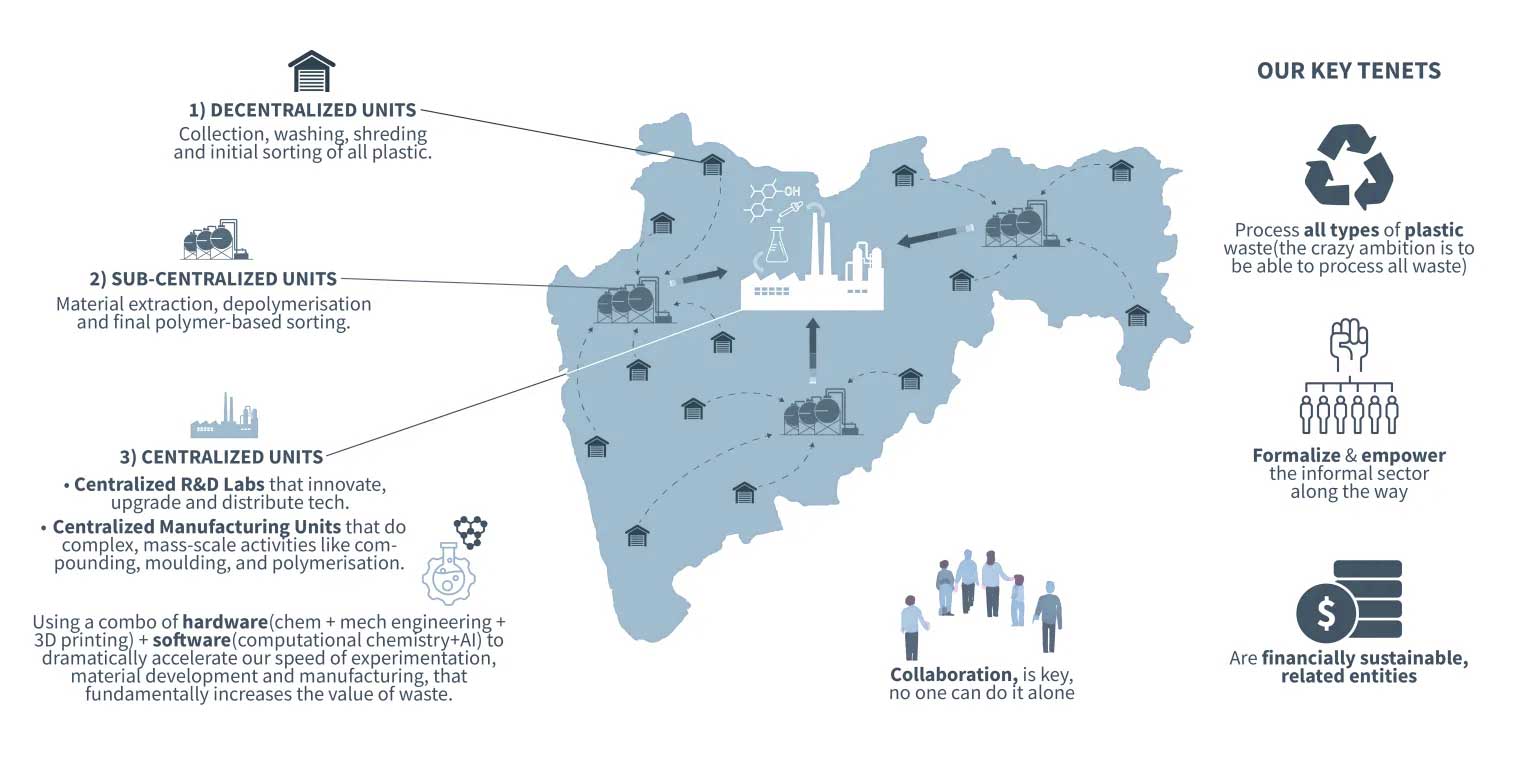
  • We work on the least recycled, “impossible-to-recycle” waste, with our new material being more recyclable – waste like multi-layered plastic and polycotton textiles.
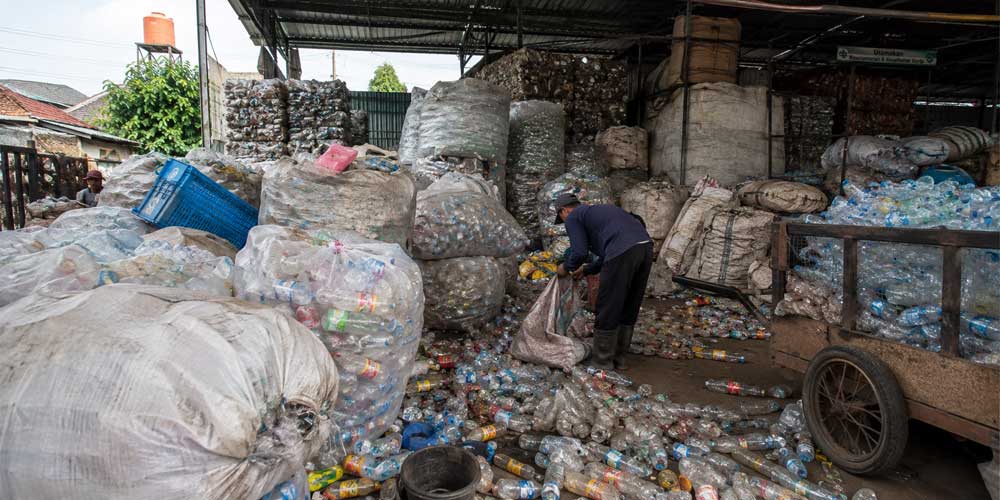
  • We are deeply socially inclusive, we formalise and up-skill former waste-pickers, who earn 2x of what they used to while being employed with dignity.

DEEP TECHNOLOGY

  • We focus on making high-quality materials and products from waste with the ability to modify polymers chemo-mechanically, creating custom materials for specific applications.
  • We have a fully-stacked chemo-mechanical lab that we’ve built from scratch that allows us to experiment with and test polymers rapidly.
  • Our manufacturing is fully and flexibly integrated, from waste to materials to final product and anywhere in between.

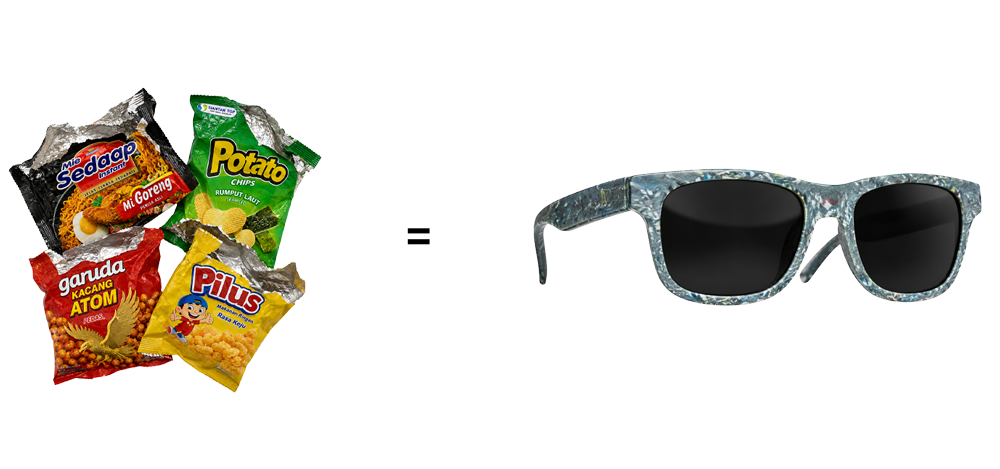
We made the world’s first recycled sunglasses from packets of chips
to prove what’s possible.

The Result

We created a high-quality, versatile material that powers our products and is available for brands worldwide,
enabling them to craft better, more ethical products.


And that’s what’s Made Without. So the next time you see any plastic-y product,
ask yourself, can it be made with Impact Artifact?

Our Demonstration Plan

While the sunglasses milestone made waves, it was just the beginning for us.


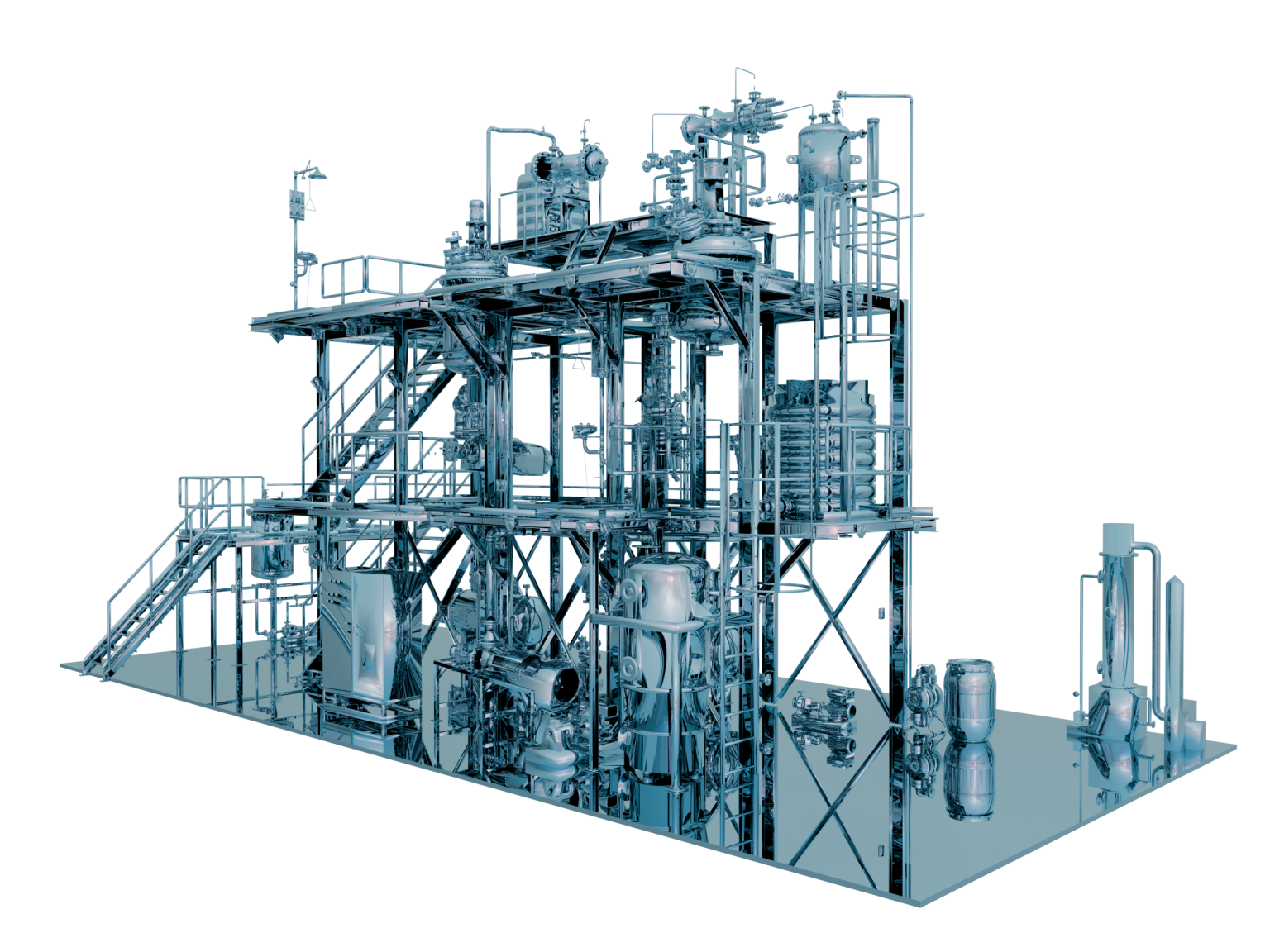
We just built a first-of-a-kind demonstration plant ethically recycling all ‘unrecyclable’ post-consumer plastics
and textiles: no burning, no compression, no greenwashing, built to scale.

And now the fun begins – will we be able to scale?

Our Why?

50% – 80%

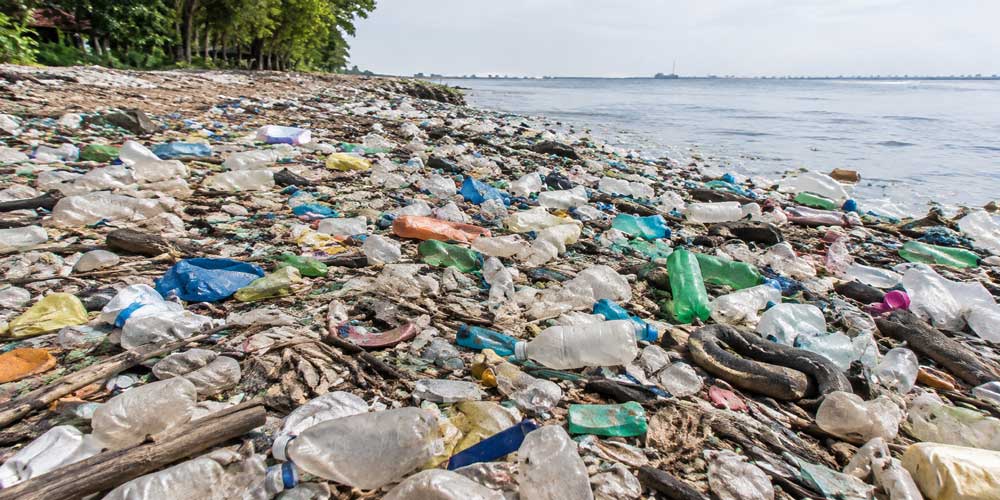
50-80% of waste in countries is untreated or land-filled (30-50 million tons) Globally its 40%, contributing to climate change, disease, environmental degradation and economic losses.

700 Million

700 million people globally are classified as living in extreme or moderate poverty while being employed.

1.5 – 4 million

1.5 – 4 million waste-pickers in countries live multidimensionally poor lives. Globally the estimate is 15 – 20 million.

133 million tons

By 2030, this much Demand for sustainable raw materials could exceed supply, but without compromising on quality and price.

We’re addressing systemic social and environmental issues by building a
financially sustainable solution that prioritises long-term, permanent progress.

The specific problems we are working on:

PROBLEM 1: METALLISED MULTI-LAYERED PLASTIC (MLP) PACKAGING

Less then 1% of recycled globally

  • This is packaging used in your favourite junk food – chips packets, chocolate wrappers, coffee pouches and almost anything that is flexible and plastic
  • It’s low-value, high-volume, composite waste with up to 5-6 different types of materials, which makes it “impossible” to recycle
  • Near 0% of B2C plastic packaging is recycled worldwide
  • Only 14% of plastic packaging is collected for recycling globally
  • 95% of plastic packaging material value is lost annually

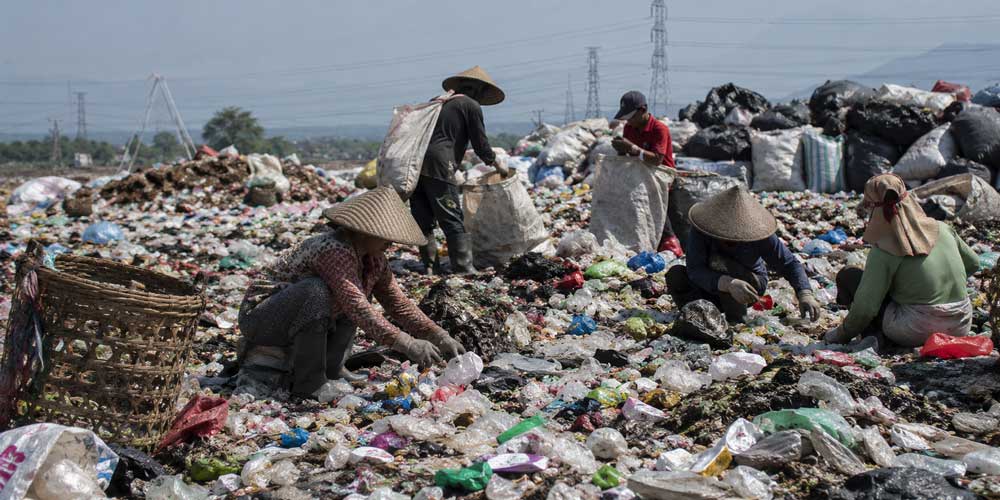
PROBLEM 2: MULTIDIMENSIONAL POVERTY OF WASTE-PICKERS

Open opportunities for waste pickers

  • They are informally employed – no contract, no protective gear, no health insurance, while earning only daily wages based on the type of waste they encounter.
  • Their life expectancy can be as low as 39 years of age because of the dangerous conditions (fumes, fires, dirt) in which they work, and that too, generally without protective equipment.
  • They are generally of low caste, belong to minority groups, or are migrants. They earn somewhere between US$ 35 and US$ 150 a month and live in urban areas that have a higher cost of living on average.
  • It’s also a generational occupation – once you’re a waste picker, there’s a high probability your child will also become a waste-picker.

PROBLEM 3: POST-CONSUMER, REJECTED, TORN, SOILED, MIXED TEXTILE WASTE

92 million tonnes of annual textile waste

  • Globally, 92 million tonnes of textiles waste is produced annually, just 12% of the material used for clothing ends up being recycled.
  • 51% of total textile waste in India is post-consumer mixed-textile waste (>80% in Europe/globally). Most textile waste recyclers focus on industrial textile waste (it’s easier and more consistent).
  • Nearly 10% of microplastics dispersed in the ocean each year come from textiles, specifically because of polycotton, polyester and washing machines.
  • The most problematic waste is mixed, soiled, torn textiles, like underwear, carpets, and fabric scraps, that even waste collectors reject. This waste, typically headed straight for landfills or incinerators, represents the worst of textile pollution.

Our Guiding Principles

Impact first

At Impact Artifact, our unwavering commitment to deep impact takes precedence. We exist to dismantle systemic social and environmental challenges, placing this mission at the forefront of all our endeavours. We are not driven by profit, but by the change we seek to effect.

Good Economics

We believe that markets and incentives work. We believe that the financial viability and independence of an impact initiative is important, and that donor dependency can be a crutch.

Long Term outlook

We believe in creating solutions that focus on long-term, permanent progress. We believe in having deep impact and scaling that depth over the long run.

Our Values

Pursuing truth
  • The pursuit of truth drives our vision and our mission.
  • Fairness & transparency is of the essence.
  • We are highly self-aware, data-driven and compassionately honest.
  • We believe that we can create positive change through a grounded, can-do mentality.
  • Guided by the belief that most humans are decent, we find joy and purpose in our work.
  • We believe optimism is a “can-do” mentality based in reality, not blind faith.
  • We understand that to make meaningful change, we need to work hard and smart (ordinary is not enough). 
  • Outcomes matter, and processes also matter (but not how many “hours of work”).
  • We marry short-term impatience with long-term patience. We believe in calculated risk-taking with a focus on long-term gratification.
  • We strive for excellence, are constantly learning and we don’t give up easily.

Our Long-term Goal

Our Faith In Financial Transparency

We believe that while building impact-first organizations, financial
transparency is essential.