we are now

We earned an overall score of 91.5.
The median score for ordinary businesses that complete the assessment is currently 50.9.

We focus on the depth of impact we are making,
and then scaling that depth across the world.


The problems we are working on are complex. 

Deep, nuanced solutions are the only way
to make permanent progress on them.

765,000+

We have recycled over 765,000 packets of MLP which is over 3.3 tons of “unrecyclable” waste diverted from landfill (as of December 2024). This is not a lot, but the way we recycle this waste is more circular, and we can’t wait to scale it.

14 lives changed

We have recycled over 765,000 packets of MLP which is over 3.3 tons of “unrecyclable” waste diverted from landfill (as of December 2024). This is not a lot, but the way we recycle this waste is more circular, and we can’t wait to scale it.

We believe that consumption should be more than just circular, it should be spherical: fair, full, and future-ready.

And to keep ourselves accountable, we’ve created the Sphericality Index, a 6-factor visual representation to measure the true impact of our materials and products, and how we can be better.
Keeping that in mind, let’s go deeper on what these problems are,
how we solve them deeply and holistically,
and where we can do better.

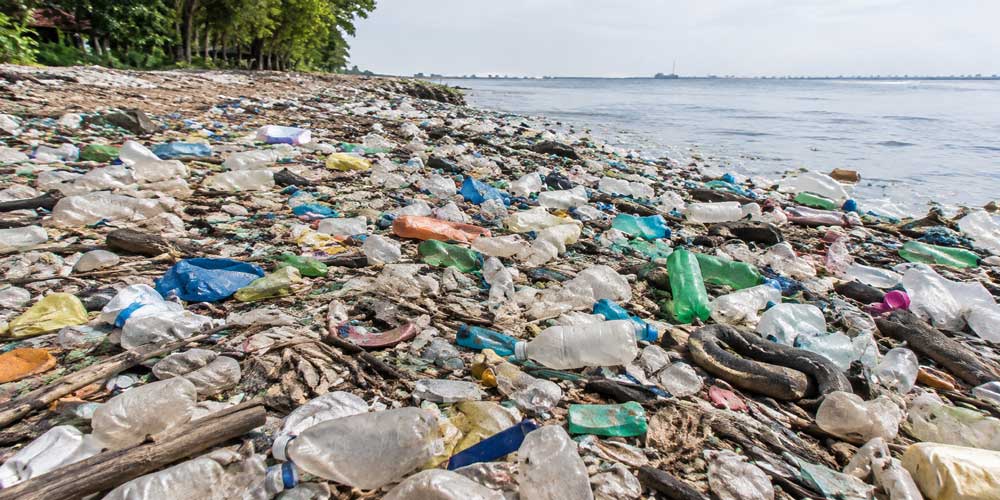
PROBLEM 1: LOW RECYCLING RATES OF PLASTIC WASTE, ESPECIALLY FLEXIBLE

Less then 1% of recycled globally

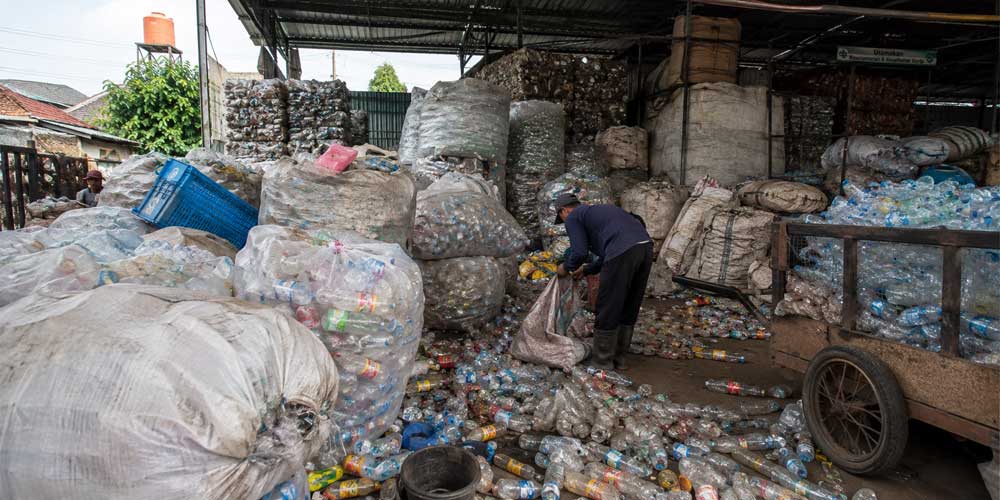
  • We recycle post-consumer metalised multi-layered plasitc packaging – “MLP” (like packets of chips, chocolate wrappers, Tetrapak, etc).
  • It’s low-value, high-volume, composite waste with up to 5-6 different types of materials, which makes it “impossible” to recycle
  • Globally, less than 1% of this type of flexible packaging is recycled.
  • The little MLP that is currently recycled is mainly burnt for energy, pyrolyzed or mixed with concrete/cement/sand to make bricks/roads.
  • Only 14% of plastic packaging is collected for recycling globally.
  • 95% of plastic packaging material value is lost annually.

How We Are Solving It

  • We work with post-consumer MLP, which is the least recycled and the most inconsistent of all plastic waste (and the dirtiest).
  • We chemo-mechanically separate and extract materials from MLP producing recycled materials that are more recyclable, of higher quality than traditional recycled material, toxin-free and have a lower carbon footprint than virgin plastic.
  • This waste is sourced locally, as close to the source as possible.
  • From an overall life-cycle analysis (LCA) perspective, compared to virgin plastics, our process has a significantly lower carbon footprint, lower fossil and nuclear energy usage and lower mineral resources usage.
  • We have recycled over 765,000 packets of MLP which is over 3.3 tons of “unrecyclable” waste diverted from landfill (as of September 2024).

Where Can We Do Better

  • We are still recycling only tiny amounts in our lab (6 kgs/day). We are currently in the process of building our pilot plant which will test this technology at scale.
  • Our process uses more water than virgin plastic, but we currently recycle this water in our lab. In our pilot plant that is under construction, we are building a water recycling plant that can recycle the water used at least 10 times.
  • We are working on optimizing our economics, both demand and supply and will validate that using our pilot plant in the next 12 months.
  • We’ve currently found applications for 70% of the material we extract from MLP. There are two other components (20% of TPA and 10% of aromatic organics) that we are still developing circular applications for.

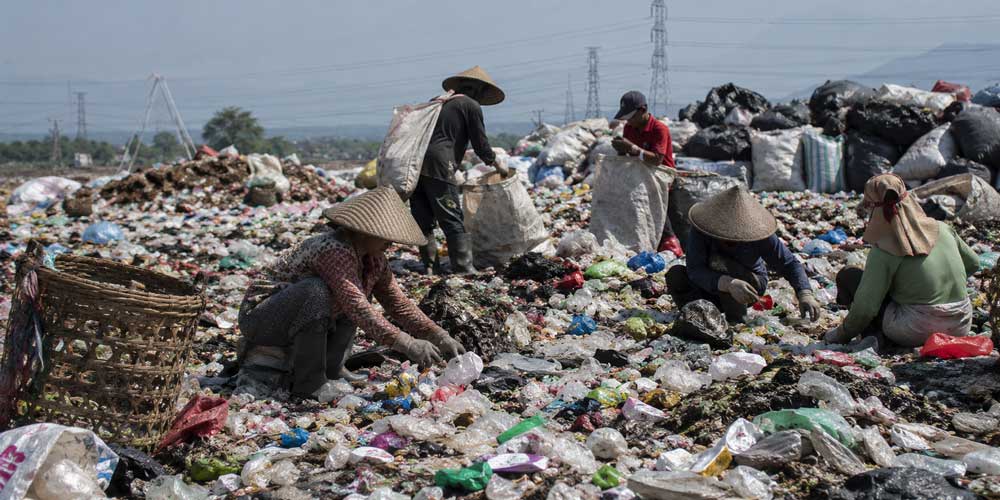
Problem 2: Abysmal conditions for waste-workers / informal-workers

a million waste pickers around the world

  • They are informally employed – no contract, no protective gear, no health insurance, while earning only daily wages based on the type of waste they encounter.
  • Their life expectancy can be as low as 39 years of age because of the dangerous conditions (fumes, fires, dirt) in which they work, and that too, generally without protective equipment.
  • They are generally of low caste, belong to minority groups, or are migrants. They earn somewhere between US$ 35 and US$ 150 a month and live in urban areas that have a higher cost of living on average.
  • It’s also a generational occupation – once you’re a waste picker, there’s a high probability your child will also become a waste-picker.

How We Are Solving It

  • We upskill former waste-pickers out of waste-picking and poverty, training them on industrial and research machines such as extruders, chemical reactors, injection moulding machines and product post-processing.
  • We provide job security through formalized work agreements including health insurance and paid leave.
  • We do preventative health tests for our team such as eye tests, supplying members with prescription glasses.
  • We provide reliable timely payments, for much-needed financial stability and peace of mind.
  • We provide deeply inclusive social assistance, with navigating challenges such as paperwork for health insurance claims and banking assistance, ensuring they’re fully supported in all aspects.
  • So far we have upskilled 18 waste pickers, formalizing 14 of them into our supply chain, pushing them out of multidimensional poverty.
  • We also source waste directly from a waste-picker owned collective of 12-14 women, providing them additional income for waste that usually nobody buys.

Where We Can Do Better

  • We are impacting small numbers right now, however deep the impact is.
  • For scalability, we have to validate our financial model so we can sustain this impact. We see a path, but we need to walk it.
  • In 2023, we failed to handle a delicate situation well with an informal worker who used to work with us. Our over-involvement in trying to rectify the situation actually resulted in us losing our battle over her. Sometimes, intention isn’t enough.


PROBLEM 3: POST-CONSUMER, REJECTED, TORN, SOILED, MIXED TEXTILE WASTE

92 million tonnes of annual textile waste

  • Globally, 92 million tonnes of textiles waste is produced annually, just 12% of the material used for clothing ends up being recycled.
  • 51% of total textile waste in India is post-consumer mixed-textile waste (>80% in Europe/globally). Most textile waste recyclers focus on industrial textile waste (it’s easier and more consistent).
  • Nearly 10% of microplastics dispersed in the ocean each year come from textiles, specifically because of polycotton, polyester and washing machines.
  • The most problematic waste is mixed, soiled, torn textiles, like underwear, carpets, and fabric scraps, that even waste collectors reject. This waste, typically headed straight for landfills or incinerators, represents the worst of textile pollution.

how we are solving it

  • Our technology cleanly separates polyester from post-consumer mixed textile waste. Polyester makes up 30%-50% of all textiles.
  • The remaining 60%-70% of non-polyester mixed textile waste will get repurposed into products like tiles.
  • This technology is still at lab scale, where we are exploring applications of the separated materials that make economic sense.
  • We will do this while formalizing waste-pickers who deal with this waste into our supply chain, graduating them out of poverty with dignified jobs and living wages.